


Introduction
The integration of AI into media relations has sparked a huge debate in the PR industry. Recent data from Muck Rack reveals a stark reality: 64% of PR professionals now harness AI for social media content creation, while 58% leverage it for research and press release development. And, 54% have embraced AI for crafting media pitches.
The real question isn't whether AI will transform PR—it already has. The question is finding the sweet spot where human expertise and artificial intelligence complement each other.
Top 12 AI Tools For Better Media Pitching (2026 Update)
The key to leveraging AI in media pitching lies not in automating the entire process but in strategically using these tools to enhance human creativity and expertise. As media outlets face increasing content demands with shrinking newsrooms, AI tools have emerged as valuable allies in developing targeted, relevant pitches that resonate with specific journalist interests and beat requirements.
Several platforms stand out for their distinct capabilities in enhancing different aspects of the pitching process. Each tool offers unique strengths that, when properly leveraged, can significantly improve pitch effectiveness while maintaining the essential human elements of media relations.
Essential AI Writing Tools
1. ChatGPT
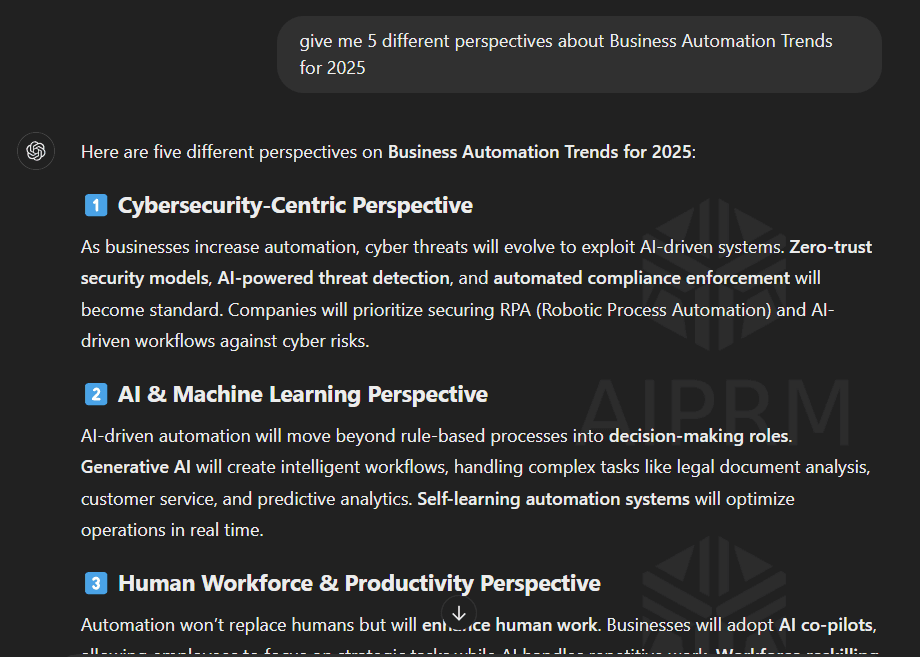
ChatGPT serves as a powerful brainstorming tool rather than just a pitch writer. For example, its breakdown of business automation trends into distinct perspectives—cybersecurity, AI and machine learning, and human workforce—demonstrates its ability to see multiple angles of a single topic.
One major drawback of ChatGPT is its tendency to fabricate information. The AI can confidently invent quotes, statistics, or even entire case studies that sound plausible but are completely false.
The key to maximizing ChatGPT's value lies in using it as a springboard for ideation rather than a complete pitch solution. Use it to outline potential angles and identify unexpected connections, but always layer in industry expertise, current market context, and journalist-specific insights.
The platform works best when used to challenge assumptions and expand thinking rather than generate finished content.
2. Claude
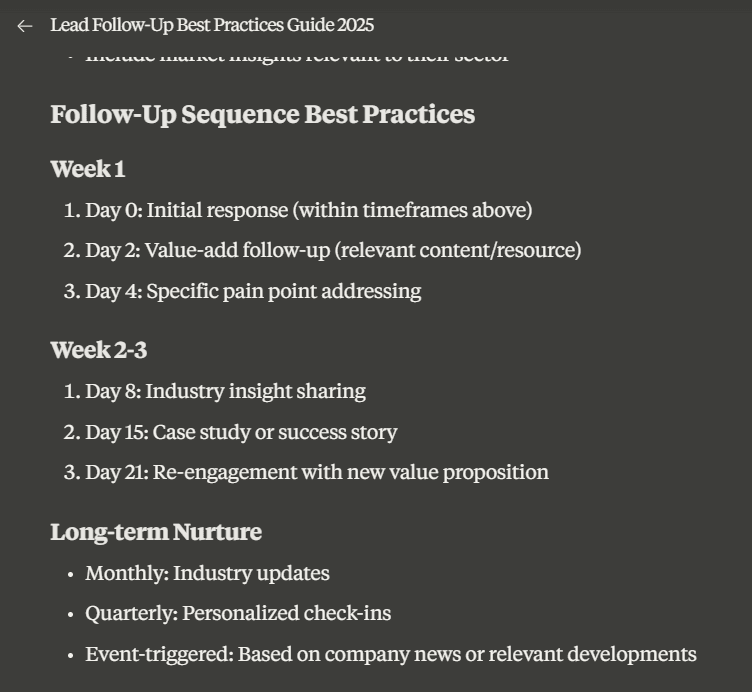
Claude shines when you need to tackle complex subjects or technical content. It's particularly good at adjusting the complexity of explanations based on your target audience. Unlike other AI tools that might give you generic responses, Claude helps maintain credibility when you're dealing with specialized topics.
The lead follow-up sequence shown above illustrates why Claude AI is particularly valuable for developing sophisticated PR pitching strategies, especially when dealing with complex technical subjects. It can generate more technical, detailed content for industry updates while creating more accessible, broader narratives for initial outreach—all while maintaining consistency in messaging and technical accuracy.
For more advanced workflows, Claude can be extended via MCP — newsjack.sh, for instance, exposes live journalist requests and breaking-coverage data as an MCP server, letting Claude pull current media context directly into a pitch draft.
3. Jasper
Jasper is purpose-built for marketing and PR teams who need consistent, brand-aligned copy at speed. Unlike general-purpose chatbots, it's trained on commercial writing tasks — press releases, pitches, follow-ups, social copy — and supports brand voice profiles so multiple team members can produce content that sounds like the same company.
Where Jasper earns its keep in a PR workflow is the templates and the campaign-level view. Drafting twenty variations of an outreach email for different beats becomes a five-minute task rather than an afternoon. Built-in tone controls also help when shifting between a trade publication pitch and a consumer-facing announcement without losing voice.
End-to-End Pitch Platforms
4. Medialyst
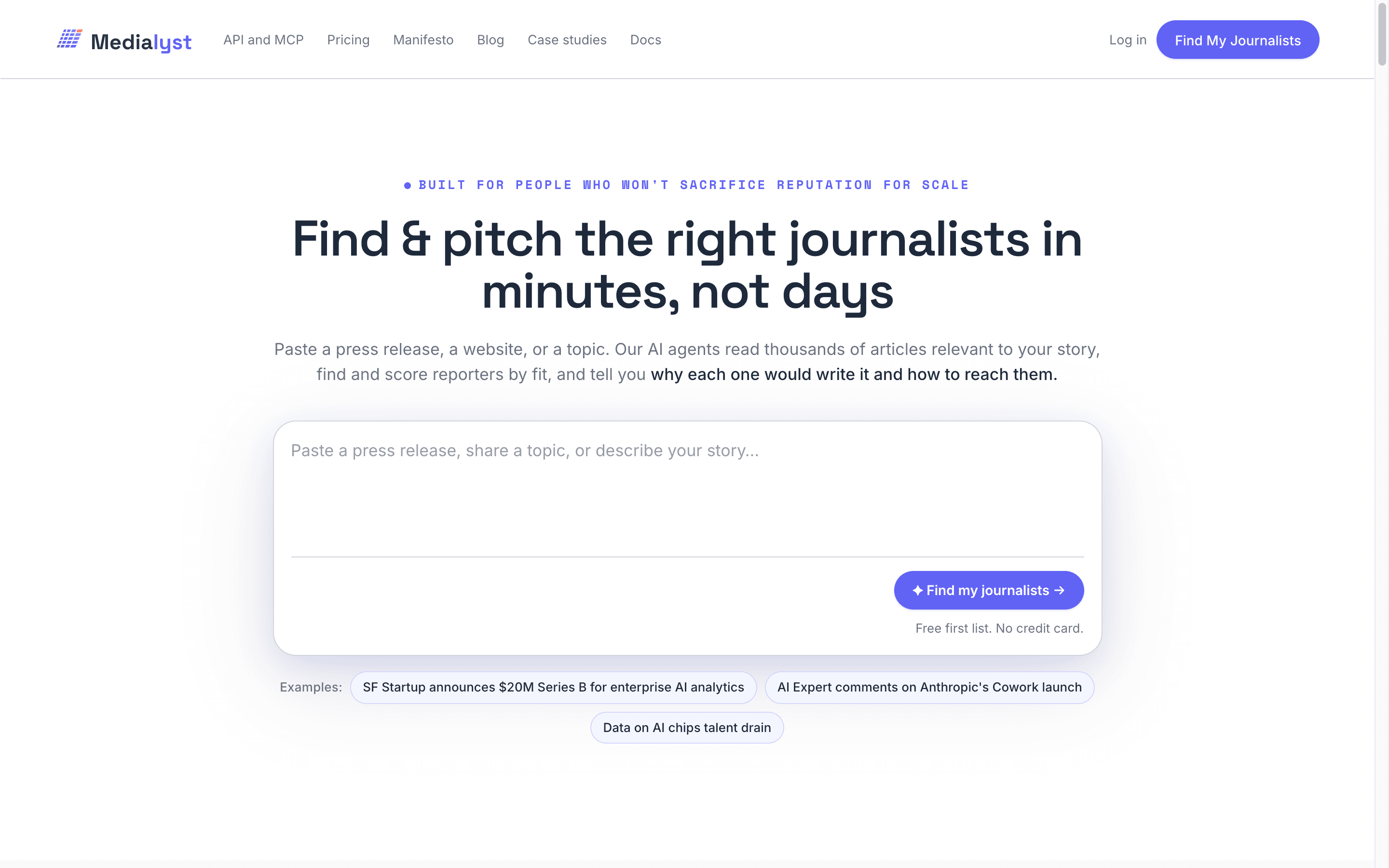
Most tools in this list solve one part of the pitching workflow — writing, research, or subject lines. Medialyst is one of the first platforms to compress the entire workflow into a single product: journalist discovery, beat-matched contact suggestions, pitch drafting with recipient-specific context, and follow-up tracking.
The differentiator users tend to highlight is speed-to-pitch. Where the traditional stack — research tool + writing tool + send tool — could eat half a morning, users routinely report sending a vetted, personalized pitch in under 30 seconds. That number sounds aggressive until you see the workflow: live journalist intelligence (coverage history, recent bylines, beat shifts) surfaces automatically, so you're not opening four tabs to vet a contact before drafting.
It's a natural fit for solo operators and small teams who need real targeting without enterprise pricing, and for PR leaders rebuilding a stack that's grown into more management overhead than leverage.
Smart Research & Discovery Tools
5. Perplexity AI
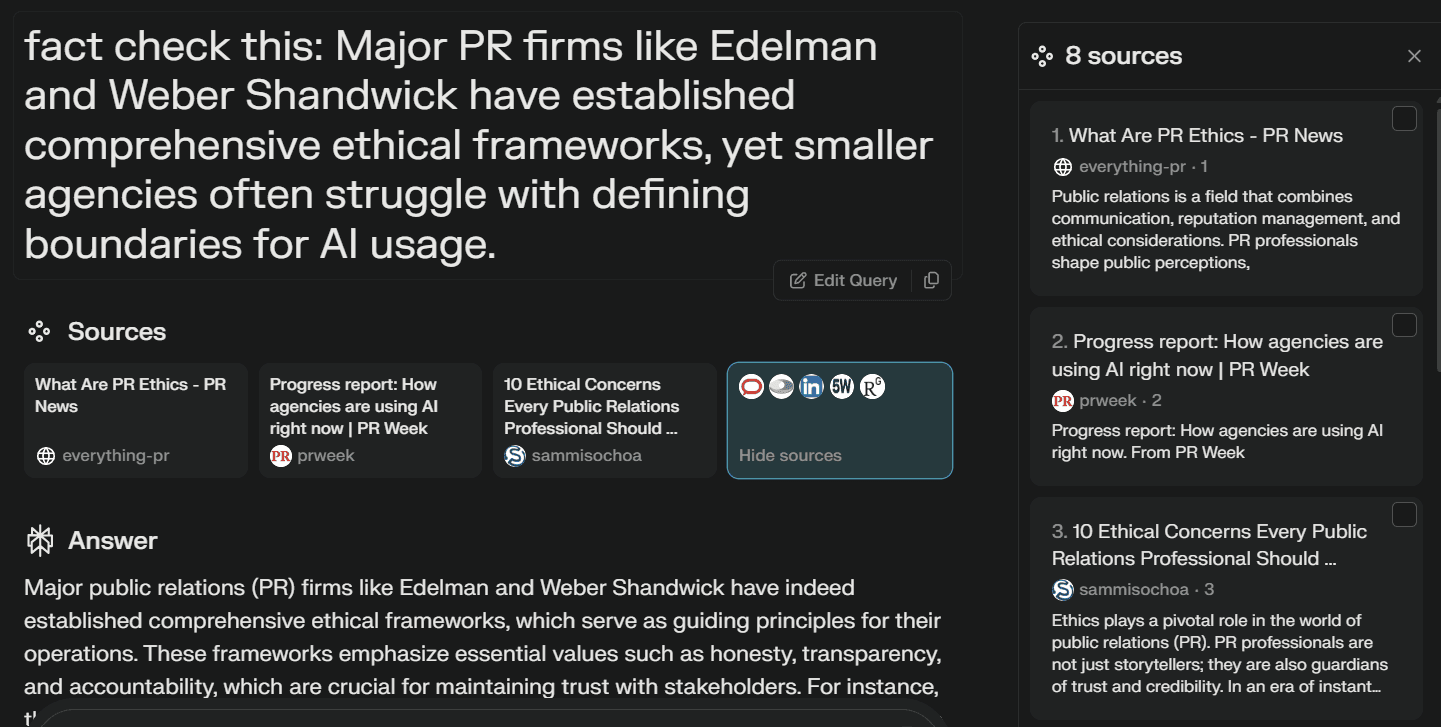
We personally love Perplexity due to its fact-checking capabilities. It can be a valuable tool in verifying the accuracy of any content before it is used in pitches or other communications. By cross-referencing claims against a wide range of reliable sources, Perplexity can help identify potential inaccuracies or misleading information.
However, it's important to note that even with the use of Perplexity, people should still exercise caution and do their own digging to ensure the factual accuracy of the information, especially when in doubt. Although Perplexity can be a helpful tool, it's not infallible, and we should always be willing to verify the information independently.
6. NewsWhip
NewsWhip's predictive analytics capabilities can be a valuable asset for PR professionals in the pitch-writing process. By analyzing social signals and media patterns, the platform can forecast which topics are about to gain traction, allowing PR teams to time their outreach more effectively.
The key advantage of NewsWhip is its ability to identify stories in their early stages before they become mainstream. This foresight enables PR professionals to get ahead of the curve and craft pitches that are more likely to capture the attention of journalists and the target audience.
For example, if NewsWhip's analytics indicate that a particular industry trend or news event is about to go viral, PR teams can use that information to develop pitches that are timely, relevant, and responsive to the emerging narrative. This can give their clients a competitive edge in securing media coverage and positioning themselves as thought leaders on the topic.
7. Brandwatch
Brandwatch's advanced capabilities in natural language processing and media analysis can be a powerful addition to the PR professional's toolkit when crafting pitches.
Unlike basic media monitoring tools, Brandwatch delves deeper into how journalists cover specific topics. Its natural language processing algorithms can provide valuable insights into the tone, perspective, and preferred angles that journalists tend to take when reporting on particular issues or industries.
For example, if Brandwatch's analysis reveals that a particular journalist tends to favor a skeptical or critical tone when covering a certain industry, the PR team can adjust their pitch to address those concerns proactively, rather than presenting information in a way that may be at odds with the journalist's established approach.
Pitch Optimization Tools
8. Grammarly Business
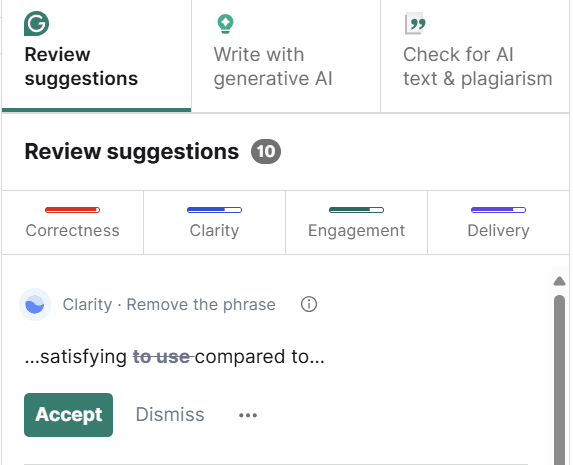
Grammarly Business is an important AI-powered tool for PR professionals when crafting effective pitches. Unlike basic spelling and grammar checkers, Grammarly Business offers advanced features that can significantly enhance the quality and impact of written communications.
The key advantage of Grammarly Business is its sophisticated tone analysis and style enhancement capabilities. It goes beyond simply catching typos or grammatical errors, and instead provides insights into the emotional impact and overall clarity of the pitch content.
In addition to its advanced tone analysis and style enhancement features, Grammarly Business also includes a robust plagiarism detection tool - an essential capability for PR professionals when crafting pitches.
9. SubjectLine
Subject lines are crucial for making a strong first impression and increasing the chances of a pitch being noticed and read. SubjectLine.com's AI-powered insights can help users craft subject lines that are more likely to capture a journalist's interest and lead to successful media placements.
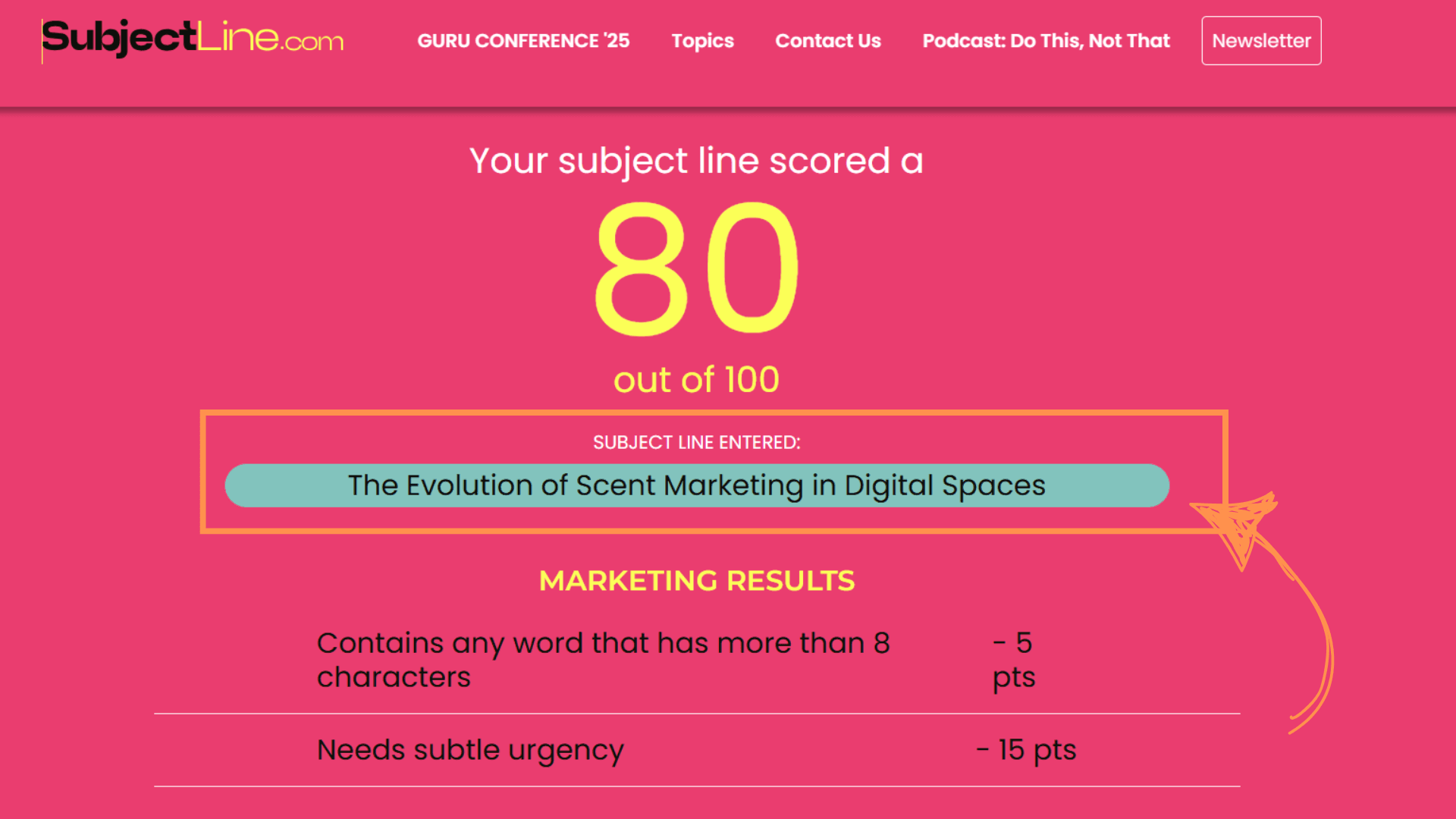
The process is straightforward - the user simply inputs their proposed subject line, and the tool instantly analyzes it based on a comprehensive set of performance metrics.
The AI draws from a vast database of real-world data to assess factors such as character count, urgency, and engagement potential. It then generates a score out of 100, giving the user a clear indication of how effective the subject line is likely to be.
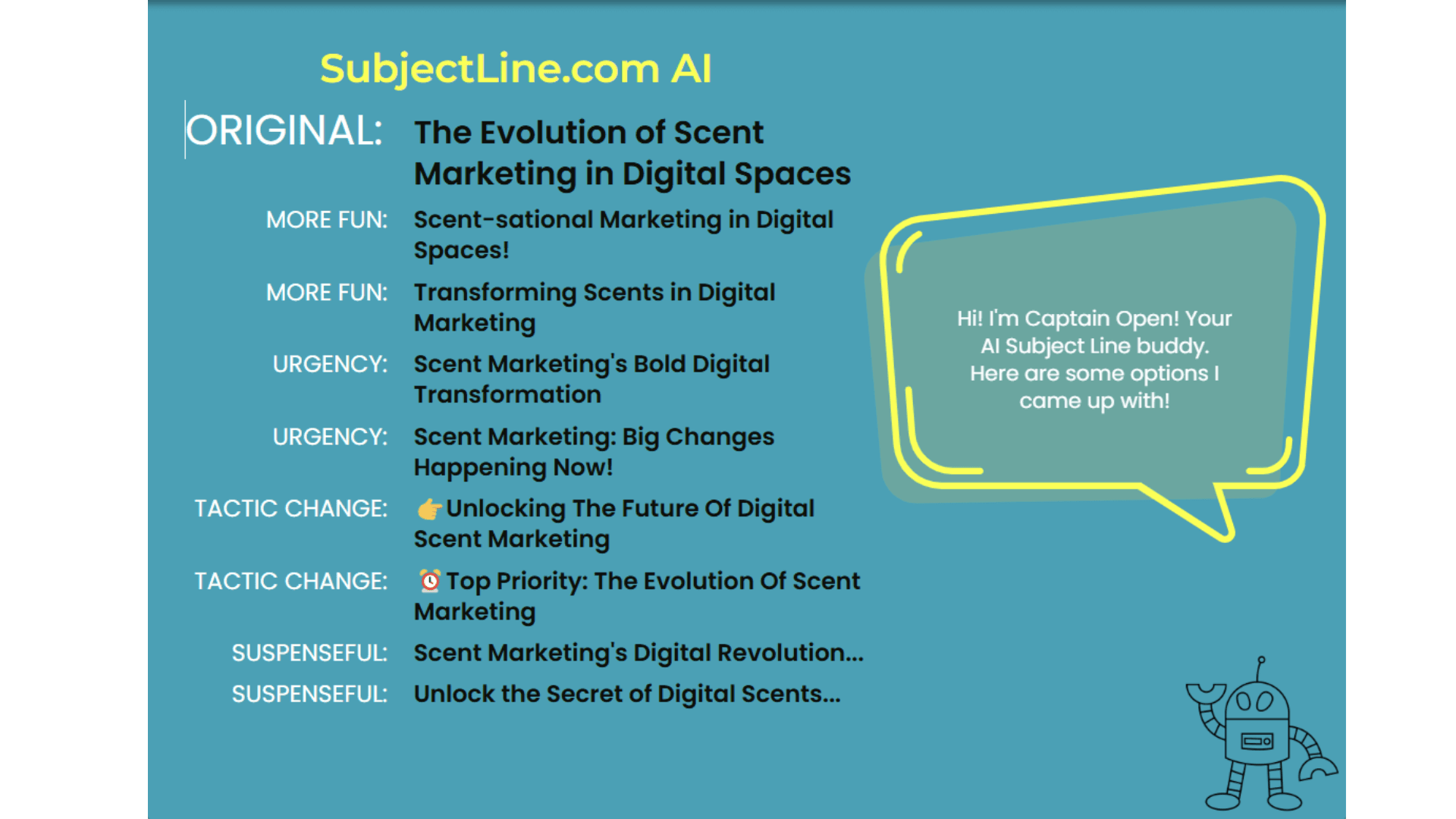
It also provides specific recommendations for how the user can improve the subject line. This could involve suggestions to shorten the length, incorporate more compelling language, or adjust the tone to better resonate with the target audience. The AI-powered insights are tailored and adaptive, ensuring the user always has access to the most relevant guidance.
By leveraging this powerful tool, users can quickly iterate on their subject line ideas and hone in on the most impactful options. It takes the guesswork out of crafting attention-grabbing subject lines, empowering them to make data-driven decisions that maximize the success of their outreach efforts.
Quality Control & Authentication
10. Otter.ai
Otter.ai is the quiet workhorse of modern PR. Interviews with sources, briefing calls with executives, and journalist conversations all turn into searchable, timestamped transcripts in real time. That changes what's possible in the pitching workflow — instead of paraphrasing a quote from memory or scrubbing through a recording, you have the exact wording at hand, cited correctly, ready to be folded into a pitch or press release.
The accuracy is consistently strong enough that PR teams use it as a quality-control layer: cross-checking quoted material before sending, ensuring statements attributed to spokespeople match what was actually said, and catching nuance in source language that gets lost in summary notes. For an industry where a single misquote can break a relationship, that reliability matters.
11. Hemingway Editor
At its core, the tool identifies and helps eliminate common barriers to comprehension - such as overly complex sentences, excessive adverbs, and passive voice constructions. What sets it apart is its ability to maintain the professional tone required for media pitches while significantly improving readability.
By leveraging the Hemingway Editor's capabilities, writers can craft media pitches that effectively communicate complex topics, like the factors driving the rise of women in property ownership, in a way that resonates with the reader. This helps increase the chances of the pitch capturing the audience's attention and conveying the key points clearly and concisely.
Overall, the Hemingway Editor is a powerful tool for improving the quality and impact of media pitches, allowing writers to strike the right balance between professionalism and accessibility - a critical factor in securing positive outcomes.
Media Opportunity Matching
12. PressPulse
PressPulse takes a focused approach to one part of the pitch funnel: media opportunity matching. The dashboard delivers a curated stream of journalist requests aligned to the user's expertise and beat profile, with strong precision filtering — the platform reports a 96% reduction in irrelevant matches versus generic HARO-style services.
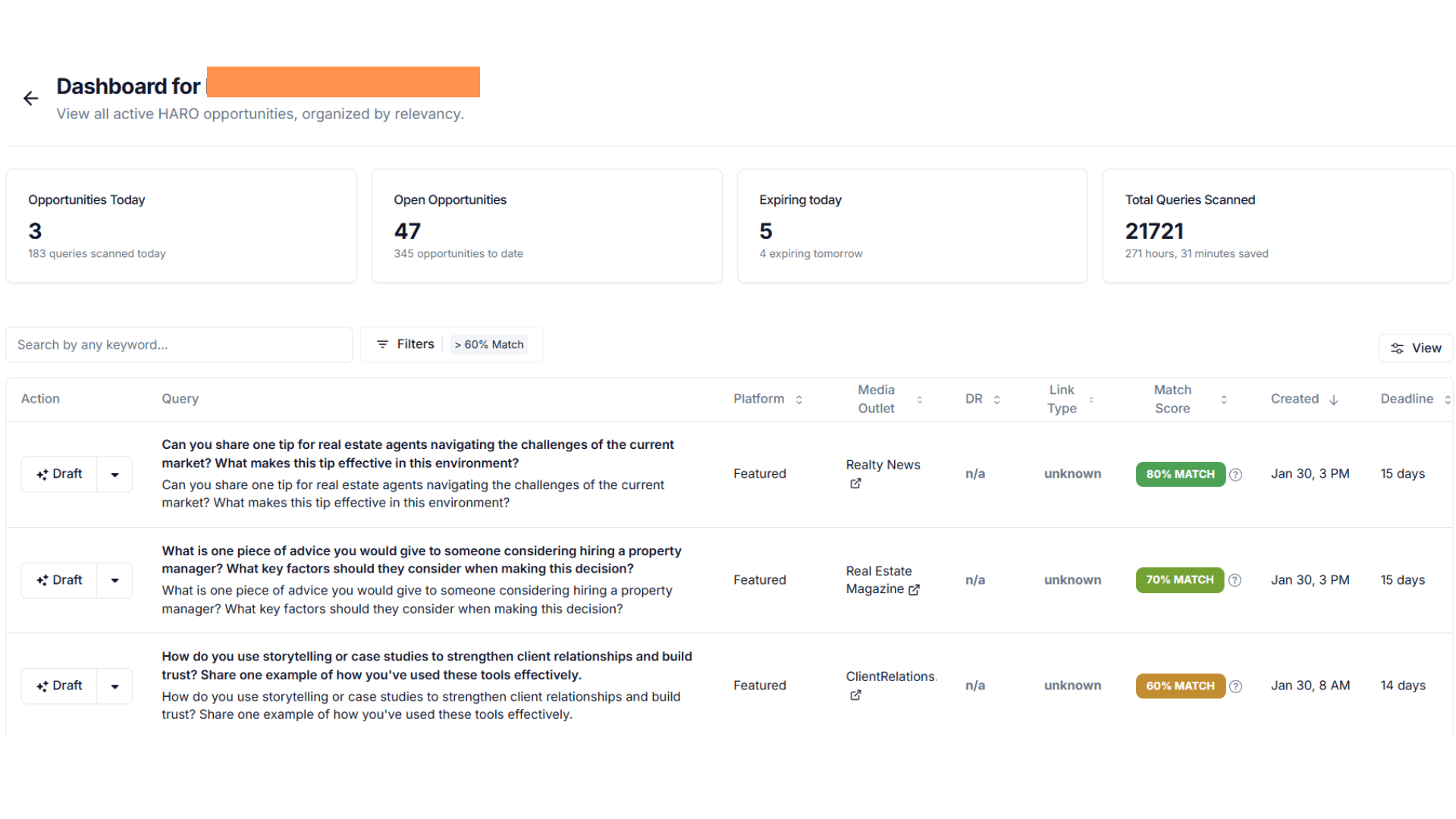
The matching engine analyzes professional backgrounds with enough nuance that experts get opportunities actually relevant to their specialty, rather than the everything-and-the-kitchen-sink feed that typifies older request-aggregation services. For subject-matter specialists who want inbound media opportunities surfaced for them — rather than a full outbound workflow — it's a clean, narrow-purpose pick.
PressPulse's algorithm scans hundreds of daily requests across multiple sources, including Twitter, SOS, and Help A B2B Writer, giving expert sources broad coverage without the noise of unfiltered feeds.
Final Takeaway
The way AI has transformed media relations is remarkable, but let's be honest—it's not about adopting every new AI tool or stubbornly sticking to old methods. The real magic happens when we're smart about blending technology with proven PR practices.
Here's what's really exciting: smaller PR firms and independent practitioners now have access to tools that used to be exclusively for the big players. It's leveled the playing field in ways we couldn't have imagined just a few years ago. Great ideas and strategic thinking now matter more than the size of your budget.
However, we need to be thoughtful about how we use these tools, especially about the importance of being upfront about AI usage in content creation and media outreach. Trust is everything in our industry, and we can't afford to compromise that.
Yes, AI capabilities keep getting more impressive, but the heart of what we do hasn't changed. The best PR still comes down to telling compelling stories and building real connections. AI helps us work smarter and faster, but it can't replace genuine human insight.